The Comprehensive Guide to Cosmetic Dental Implants: Merging Artistry and Oral Reconstruction
A radiant, healthy smile is more than just a physical trait; it is a gateway to confidence and social well-being. When tooth loss occurs, whether through trauma, decay, or genetic factors, the impact can be devastating to one's self-image. Cosmetic dental implants have emerged as the premier solution for those seeking to bridge the gap between restorative necessity and aesthetic perfection. Unlike traditional dentures or bridges, these implants offer a permanent, titanium-reinforced foundation that replicates the natural root of a tooth, ensuring that the final restoration is indistinguishable from nature.
The transition from a compromised smile to a perfect one involves a sophisticated journey through medical technology and dental artistry. This guide explores the multifaceted world of cosmetic dental implants, detailing everything from the initial biological integration to the final nuances of porcelain shading. By understanding the timeline and the technology involved, patients can embark on their transformation with clarity and peace of mind.
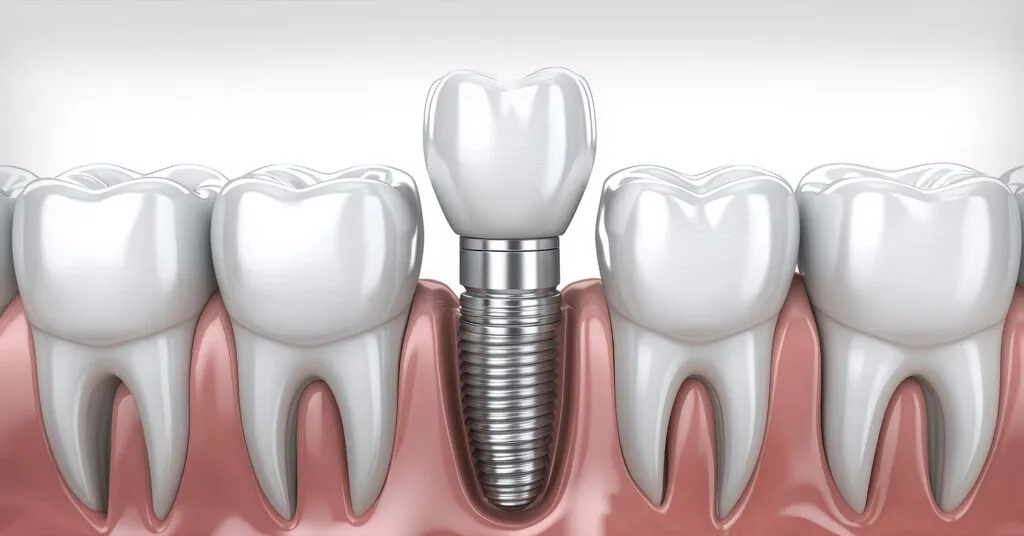
1. Defining the Aesthetic Standard: What are Cosmetic Dental Implants?
At its core, a cosmetic dental implant is a medical-grade titanium or zirconia screw that is surgically positioned into the jawbone. While standard implants focus primarily on the functional replacement of a tooth, the "cosmetic" designation implies a higher focus on the "emergence profile"—the way the tooth appears to grow naturally out of the gum line. This requires a harmonious balance between the titanium post, the connecting abutment, and the final porcelain crown.
The primary goal of cosmetic dental implants is to restore the facial architecture. When a tooth is lost, the underlying bone begins to atrophy, leading to a sunken facial appearance and premature aging. By placing an implant, the bone is stimulated through a process called osseointegration, which preserves the jaw’s natural contours and supports the soft tissues of the lips and cheeks, resulting in a more youthful and vibrant appearance.
2. The Consultation Phase: Digital Smile Design and Assessment
The journey toward cosmetic dental implants begins long before surgery, in the consultation room. Modern dentistry utilizes Digital Smile Design (DSD) to map out the patient's future smile based on their facial proportions and lip movements. During this phase, 3D Cone Beam Computed Tomography (CBCT) scans are used to assess bone density and nerve locations, ensuring that the implant is placed with mathematical precision to support a beautiful final crown.
Beyond the physical scans, the dentist evaluates the "pink aesthetics"—the health and shape of the gum tissue. For cosmetic dental implants to look real, the gums must be symmetrical and healthy. If the patient has thin gum biotypes or recessed tissue, the treatment plan will include strategies to thicken or graft the gums, ensuring that the metal of the implant never shadows through the soft tissue.
3. Preparatory Procedures: Building a Strong Foundation
For many patients, the site of a missing tooth lacks the necessary bone volume to support cosmetic dental implants. This is where preparatory surgeries become essential. Bone grafting is a common procedure where bone minerals are added to the jaw to create a robust anchor point. Without sufficient bone, the implant may fail or, worse, sit at an angle that makes a natural-looking crown impossible to achieve.
Key Preparatory Techniques:
- Sinus Lift: Specifically for the upper back jaw, this procedure raises the sinus floor to make room for new bone.
- Ridge Expansion: Widening a narrow jawbone to ensure the cosmetic dental implants are fully encased in bone.
- Socket Preservation: A graft placed at the time of extraction to prevent the bone from collapsing.
These steps ensure that the final result of your cosmetic dental implants is not only beautiful but also structurally sound for a lifetime of use.
4. The Surgical Appointment: Precision and Guided Surgery
On the day of the procedure, the patient undergoes a minimally invasive surgery to place the implant post. Many leading clinics now use computer-guided surgery, where a 3D-printed template fits over the patient's teeth to guide the drill at the exact depth and angle planned digitally. This technology significantly reduces recovery time and ensures that the cosmetic dental implants are positioned perfectly for the eventual aesthetic restoration.
Depending on the patient’s needs, "Same Day Teeth" or Immediate Load Implants may be an option. This involves placing a temporary, high-quality aesthetic crown on the same day as the surgery. This is particularly popular for the front teeth, as it allows the patient to leave the office with a complete smile while the permanent cosmetic dental implants undergo the healing process in the bone.
5. The Science of Osseointegration: The Waiting Period
After the post is placed, a biological miracle called osseointegration must occur. Over a period of three to six months, the jawbone fibers grow into the microscopic pores of the implant surface. This creates a bond that is actually stronger than the natural ligament of a tooth. During this time, the cosmetic dental implants are becoming a permanent part of the patient's anatomy.
Patience is a virtue during this phase of cosmetic dental implants. Rushing the process can lead to implant failure. Patients are typically fitted with a "flipper" or a temporary bridge that maintains the aesthetics of the smile without putting direct pressure on the healing implant. This period is also critical for the gum tissue to mature and stabilize around the healing abutment, which shapes the gingival "cuff" for a natural look.
6. The Art of Soft Tissue Management: Shaping the Gums
One of the most overlooked aspects of cosmetic dental implants is the management of the gingiva (gums). Once the implant is integrated, a gingival former or custom healing abutment is often used. This component is shaped specifically to train the gum tissue to form a natural "scallop" around the base of the new tooth. This eliminates the "flat" look often seen with lower-quality restorations.
The Importance of the Emergence Profile
In the world of cosmetic dental implants, the "emergence profile" refers to how the tooth transitions from the narrow implant post to the wider crown. By carefully shaping the gums during the healing phase, the dentist ensures that the final crown looks like it is naturally erupting from the bone. This detail is what separates a standard medical implant from a truly high-end cosmetic dental implant.
7. The Final Impression: High-Tech Digital Scanning
Once the site is fully healed and the gums are shaped, it is time to capture the final blueprint of the mouth. Gone are the days of messy, uncomfortable putty impressions. Most modern practitioners of cosmetic dental implants use intraoral scanners. These devices take thousands of photos per second to create a 3D digital model of the implant's position and the surrounding teeth.
This digital file is sent to a specialized dental laboratory, where master technicians use CAD/CAM (Computer-Aided Design and Manufacturing) technology to mill the custom abutment and crown. For cosmetic dental implants, the abutment is often made of zirconia rather than titanium to prevent a grayish tint from showing through the gum tissue or the translucent porcelain of the crown.
8. Porcelain Artistry: Matching Shade, Texture, and Translucency
The crown is the "visible" part of the cosmetic dental implants, and its creation is where science meets art. Master ceramists hand-layer porcelain to mimic the natural variations found in human teeth. Natural enamel is not a flat white; it has gradients of opacity, mamelons (ridges), and a certain level of translucency at the biting edge that allows light to pass through.
To ensure a perfect match, the dentist will perform a custom shade match. This involves taking high-resolution photos with specific color tabs and sometimes using a spectrophotometer to measure the exact wavelengths of color in the adjacent teeth. This ensures that your cosmetic dental implants will blend seamlessly, even under the harsh lighting of a camera flash or bright sunlight.
9. Final Delivery and Occlusal Adjustment
The final appointment is when the custom crown is permanently attached to the cosmetic dental implants. The dentist carefully checks the "occlusion," or the way the teeth meet when you bite down. If the crown is even a fraction of a millimeter too high, it can put excessive stress on the implant and cause discomfort or long-term failure.
Final Verification Checklist:
- Proximal Contacts: Ensuring there is a tight seal between the new tooth and its neighbors to prevent food traps.
- Color Harmony: Checking the crown against natural light to ensure the shade is perfect.
- Speech and Phonetics: Verifying that the shape of the crown doesn't interfere with the patient's ability to pronounce specific sounds like "S" or "V."
Once these boxes are checked, the cosmetic dental implants are complete, and the patient is ready to showcase their new smile to the world.
10. Life After Implants: Maintenance and Longevity
The beauty of cosmetic dental implants is that they are designed to last a lifetime, but they require diligent care. While the porcelain crown cannot decay, the gums and bone around the implant are still susceptible to "peri-implantitis," an inflammatory condition caused by plaque buildup. Regular flossing and the use of a water flosser are highly recommended to keep the area pristine.
Professional maintenance is equally important. Patients with cosmetic dental implants should visit their dental hygienist twice a year for specialized cleanings. Unlike natural teeth, implants require non-abrasive instruments—usually made of plastic or resin—to clean the abutment without scratching the surface. With this level of care, the investment in cosmetic dental implants remains protected, ensuring a beautiful smile for decades to come.
Conclusion
The evolution of cosmetic dental implants has changed the landscape of modern dentistry, offering a solution that is as functionally robust as it is aesthetically pleasing. By following a structured timeline—from the initial 3D planning and bone preparation to the intricate layering of porcelain—patients can achieve a restoration that feels like a natural part of their body. The success of these implants lies in the details: the health of the bone, the shape of the gums, and the artistic skill of the dental lab.
Ultimately, choosing cosmetic dental implants is an investment in your health, your social confidence, and your long-term quality of life. While the process requires patience and a commitment to oral hygiene, the result is a smile that functions perfectly and looks entirely natural. If you are ready to reclaim your smile, consult with a specialist who understands both the surgical complexity and the aesthetic nuances of this transformative treatment.