Roof Replacement Services: A Complete Guide for Property Owners
Roof replacement is a major decision for homeowners and commercial property owners alike. While routine maintenance and minor repairs can extend a roof’s life, there comes a point when replacement is the safest and most cost-effective solution. Professional roof replacement services ensure your property remains protected, energy-efficient, and structurally sound.
This article provides a clear overview of roof replacement services, why they matter, and how they benefit long-term property performance.
Understanding Roof Replacement Services
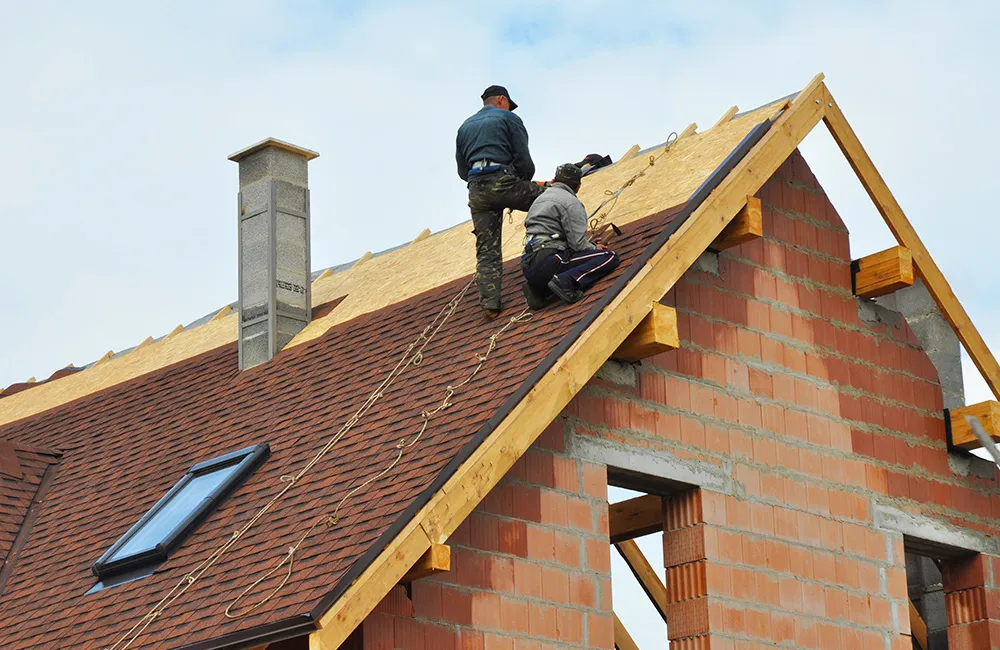
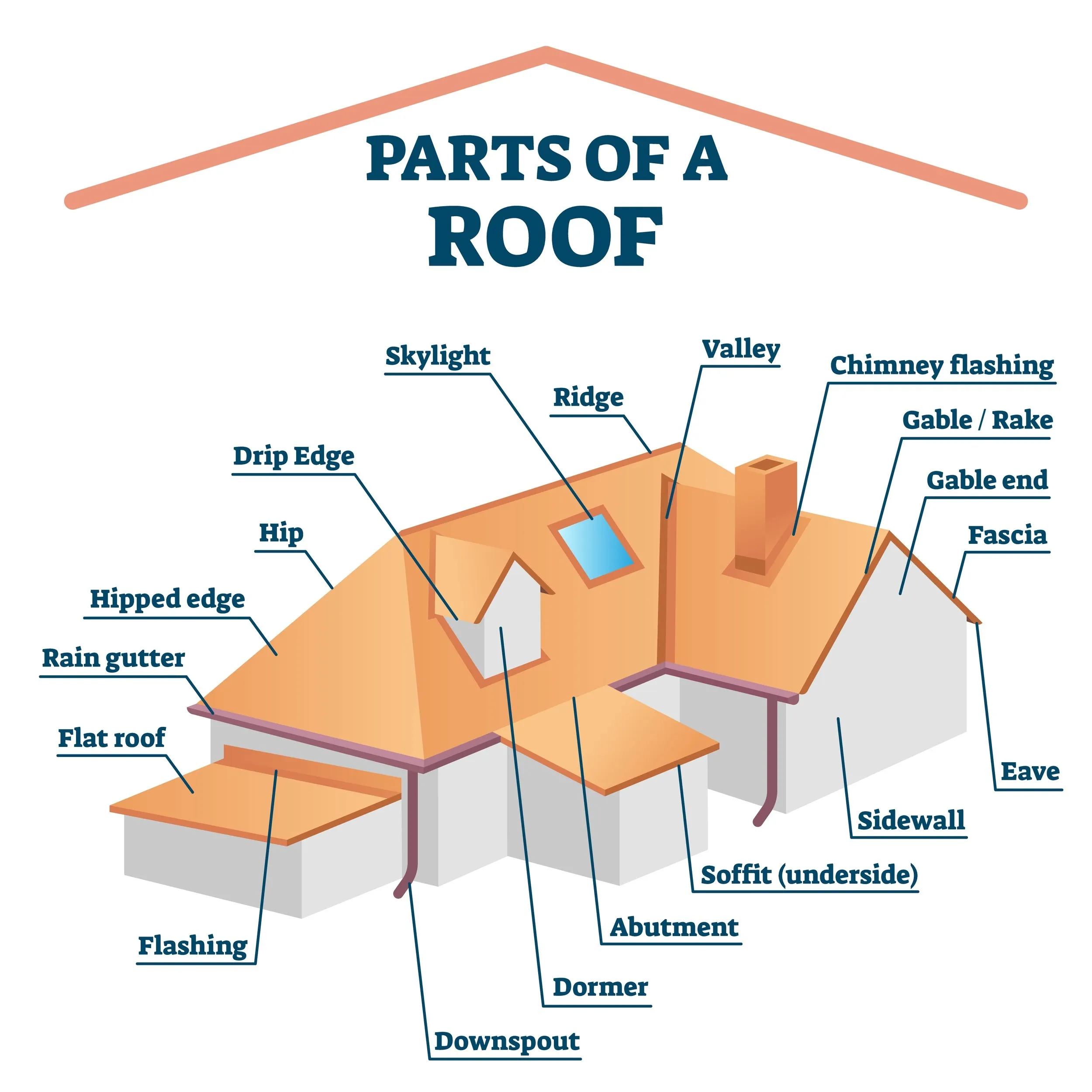
Roof replacement involves removing the existing roofing system and installing a new, fully integrated roof. Unlike repairs, which address isolated issues, replacement focuses on the entire structure, including underlayment, insulation, flashing, and ventilation.
Professional services are designed to:
- Restore full weather protection
- Eliminate hidden structural risks
- Meet modern safety and building standards
- Improve overall roof performance
Roof replacement is typically recommended when damage is widespread or the roof has reached the end of its expected lifespan.
When Roof Replacement Becomes Necessary
Many property owners delay roof replacement, often until serious problems appear. Common situations that require full replacement include:
End of Roof Lifespan
Most roofing materials deteriorate naturally over time. Even if leaks are not visible, aging materials lose their protective properties.
Repeated Water Intrusion
Recurring leaks indicate system-wide failure rather than isolated damage.
Structural Weakness
Soft spots, sagging areas, or damaged decking suggest deeper issues that repairs cannot resolve.
Severe Weather Impact
Storms, hail, and prolonged exposure to harsh weather can cause extensive damage that makes replacement unavoidable.
What to Expect From Professional Roof Replacement Services
A professional roof replacement follows a structured and reliable process:
Detailed Roof Evaluation
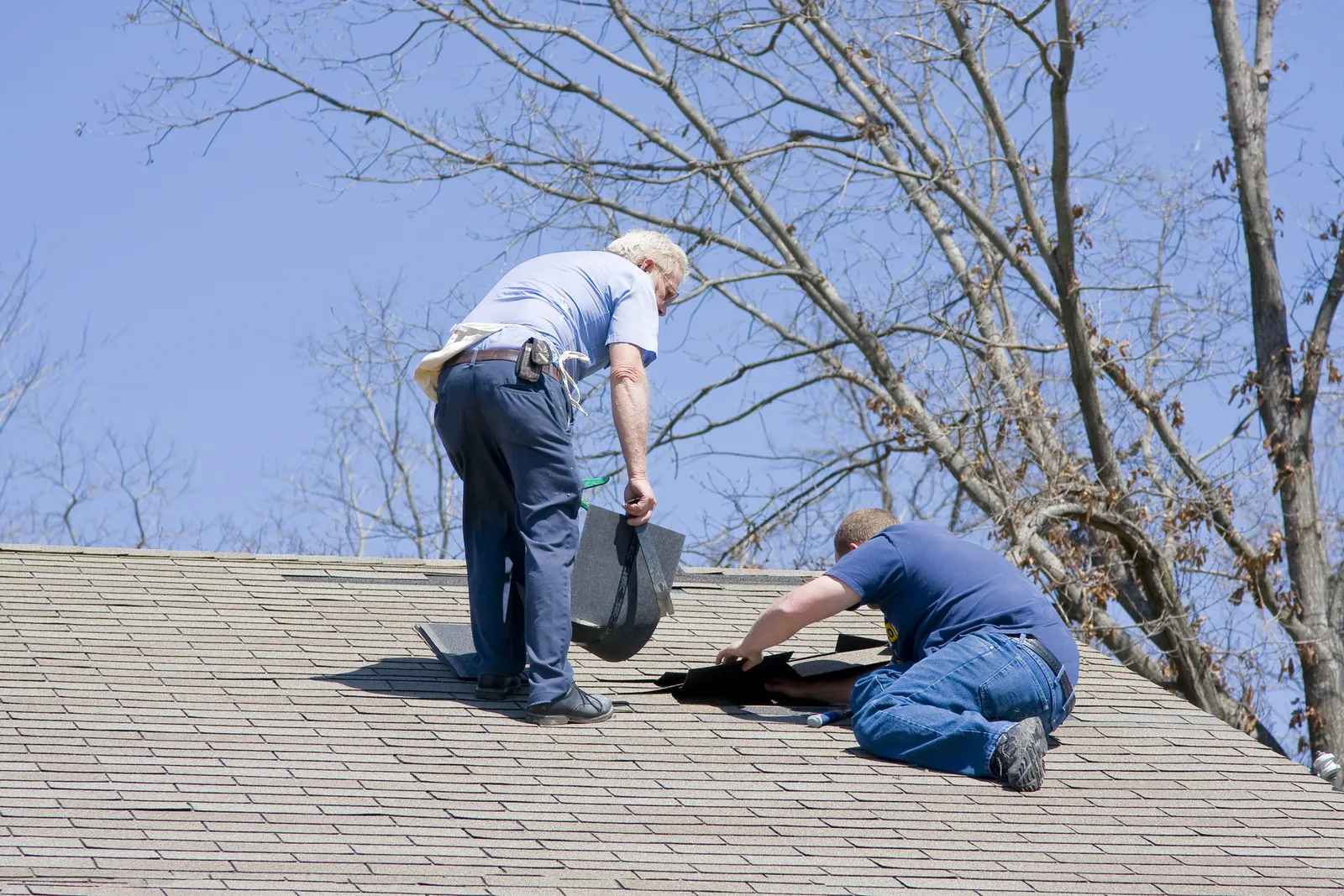
Contractors assess the condition of the existing roof, identifying both visible and hidden damage.
Planning and Material Selection
Property owners receive recommendations on roofing materials based on climate, budget, and building design.
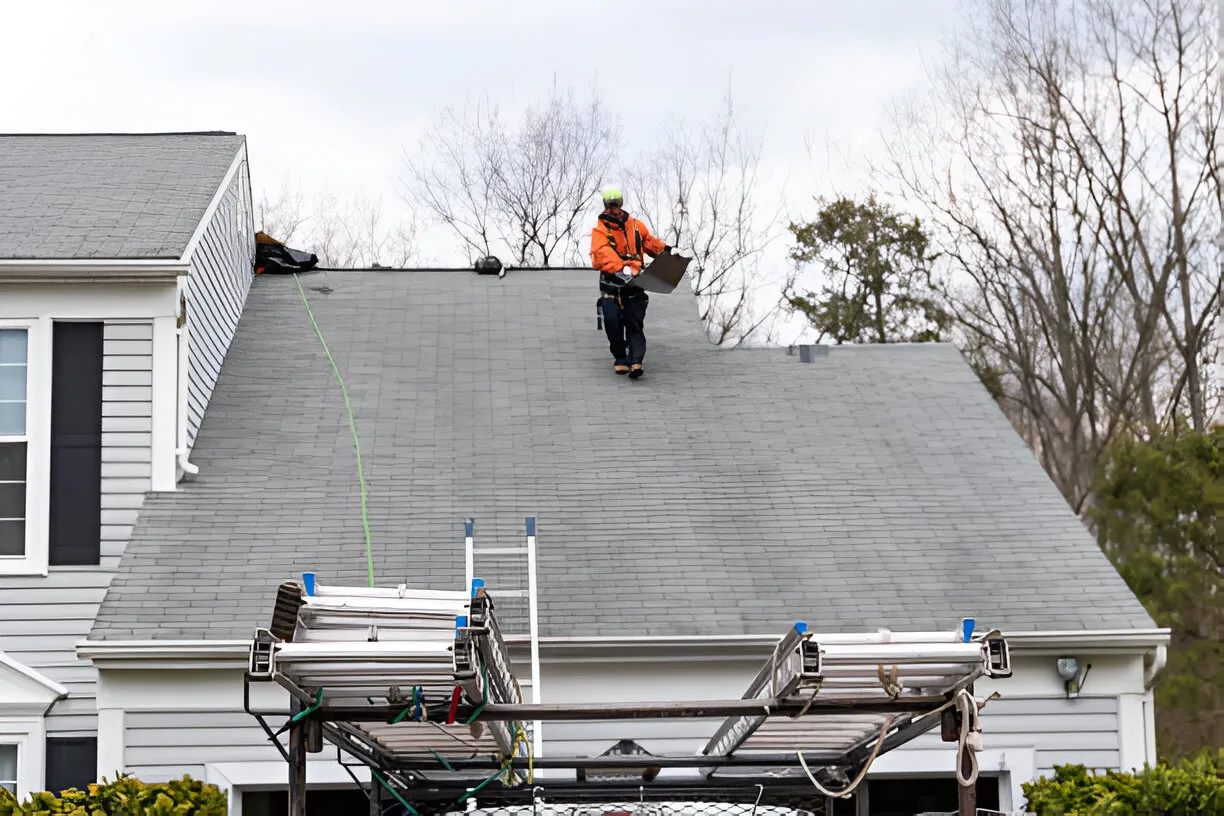
Removal of Old Roofing
Existing materials are removed to expose the roof deck and ensure a clean installation surface.
Decking and Structural Repairs
Any damaged sections are repaired or replaced to provide a solid foundation.
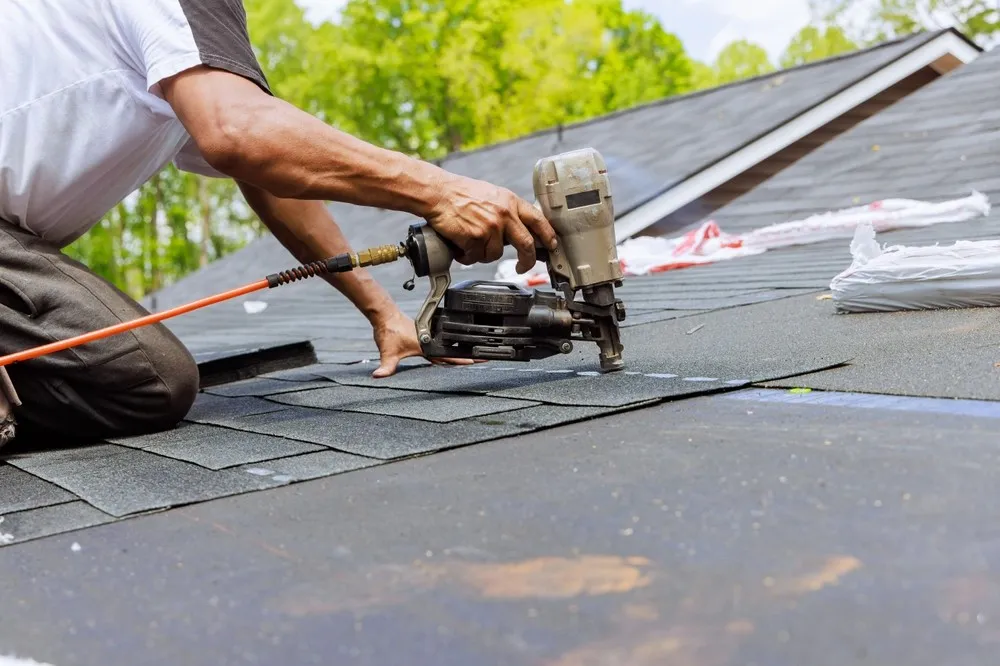
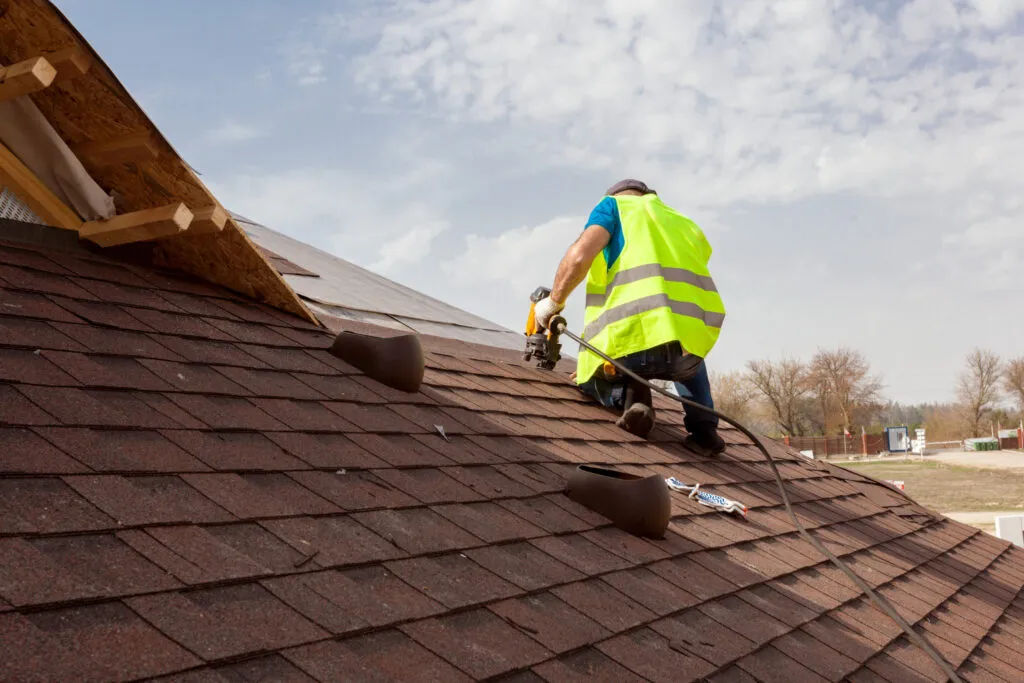
Installation of the New Roofing System
The new roof is installed with proper waterproofing, insulation, and ventilation components.
Final Inspection
A final review ensures quality workmanship and long-term durability.
Roofing Materials Commonly Used in Roof Replacement
Modern roof replacement services offer a variety of material options:
Asphalt Shingles
- Affordable and widely used
- Suitable for residential properties
- Available in many colors and styles
Metal Roofing
- Long lifespan and minimal maintenance
- Reflects heat and improves energy efficiency
- Resistant to extreme weather conditions
Tile Roofing
- Durable and visually distinctive
- Ideal for warm or coastal climates
- Requires strong roof support
Flat Roofing Systems
- Common for commercial buildings
- Cost-effective and easy to maintain
- Energy-efficient options available
Selecting the right material plays a key role in roof performance and longevity.
Energy and Cost Benefits of Roof Replacement
One of the main advantages of roof replacement is improved energy efficiency. New roofing systems help:
- Reduce heat transfer
- Improve insulation performance
- Enhance ventilation airflow
- Lower monthly energy bills
Although replacement involves a higher initial cost, it often results in long-term savings through reduced repairs and lower utility expenses.
Factors That Influence Roof Replacement Cost
Roof replacement costs depend on several variables, including:
- Roof size and design complexity
- Chosen roofing materials
- Labor and installation requirements
- Necessary structural repairs
- Local building codes and permits
Professional contractors provide detailed estimates to help property owners plan their investment effectively.
Choosing a Trusted Roof Replacement Contractor
The success of a roof replacement project depends heavily on the contractor’s experience. When selecting a service provider, look for:
- Proper licensing and insurance
- Clear, written proposals
- Experience with similar roof types
- Manufacturer and workmanship warranties
- Strong customer reviews
A reliable contractor ensures the roof is installed correctly and performs as expected for years to come.
Why Roof Replacement Is a Long-Term Investment
Roof replacement services do more than solve immediate problems. A new roof improves property safety, enhances appearance, increases resale value, and provides peace of mind. For both residential and commercial buildings, replacement is a proactive step toward long-term protection.
Conclusion
Roof replacement services are essential when repairs are no longer sufficient. By investing in professional installation and modern materials, property owners can protect their buildings, improve energy efficiency, and avoid costly future damage.
A well-planned roof replacement ensures lasting performance and reliable protection for decades.